
Your dog’s vitality and health are not only a reflection of its quality of life, but also an important bond connecting you and your beloved pet. A energetic and healthy dog can accompany you in a more positive state, reduce the trouble of diseases, and make the time spent together more fulfilling. The core of caring for a dog is never a single “feeding” or “walking”, but scientific care that takes both physical and psychological needs into account, guarding every stage of their growth with careful care.
Three Core Elements of Scientific Care: Diet, Exercise and Schedule

The foundation of your dog’s health is inseparable from the coordination of diet, exercise and schedule. All three are indispensable and jointly support your dog’s vitality.
In terms of diet, you should follow the principle of “balanced nutrition and suitable for physical condition”. Refuse high-oil and high-salt human food and excessive snacks. Choose suitable dog food according to your dog’s breed, age and weight. At the same time, you can appropriately add a small amount of fresh vegetables (such as carrots and broccoli) to supplement vitamins, so as to avoid obesity or malnutrition caused by nutritional imbalance. Regular feeding is also crucial. Fixing three meal times and controlling the feeding amount can not only protect your dog’s intestines and stomach, but also cultivate its good living habits.
Exercise is the key to activating your dog’s vitality. It can not only consume excess energy, but also enhance muscle strength, protect joint health and improve mental state, preventing dogs from engaging in behaviors such as destroying furniture and barking due to boredom. A regular schedule can help dogs form a stable physiological rhythm, ensure adequate sleep, reduce stress responses, and keep their physical and mental state relaxed to reserve energy for vitality.
Diverse and Fun Exercise Plans to Boost Your Dog’s Vitality
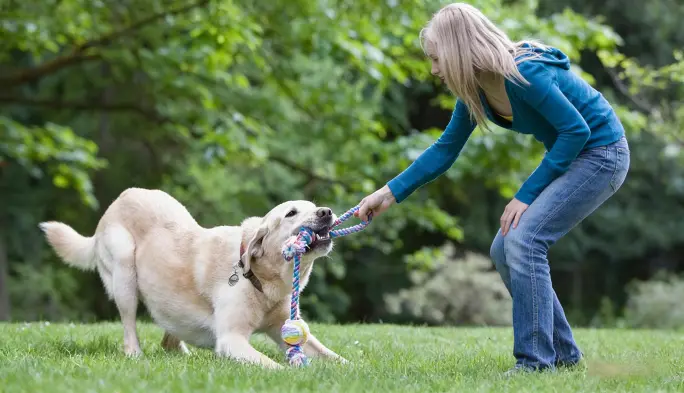
Boring exercise can easily make dogs tired. Diverse and fun exercises can not only meet their exercise needs, but also enhance the interaction between you and your dog, making exercise more meaningful.
1. Puzzle Hide-and-Seek Game: Prepare your dog’s favorite snacks or toys, hide them in hidden places indoors or outdoors, and guide your dog to find them by smell. This game does not require a lot of space. It can not only exercise your dog’s sense of smell, but also activate its brain thinking and relieve boredom, especially suitable for days when you can’t go out due to rainy weather.
2. Interactive Obstacle Course: Use household items such as tables, chairs and cartons to build a simple obstacle course, and guide your dog to jump, crawl and detour. You can cooperate with command training in the process, which can not only exercise your dog’s physical coordination, but also enhance its obedience, making exercise more interesting and challenging.
3. Outdoor Exploration Walk: Break the fixed walking route and take your dog to different scenes such as parks, grasslands and forests, allowing it to contact new environments and smell different odors. Appropriately increase the walking time or jogging segments to meet your dog’s curiosity, and let it fully breathe fresh air to soothe its physical and mental state.
4. Ball Interactive Game: In addition to the conventional ball throwing and retrieving, you can try changing the ball (such as elastic ball, sounding ball) or changing the strength and direction of throwing, so that your dog can flexibly adjust its movements in the process of chasing. This can not only exercise explosive power, but also improve reaction speed.
Age-Specific Exercise and Care Focus
Dogs have great differences in physical conditions at different ages. Care and exercise plans need to be adjusted targetedly to avoid health damage caused by improper care.
Puppies (3-12 months old): Their bodies are in a stage of rapid development, and their bones and joints are not yet mature. High-intensity and long-time exercise is not suitable. It is recommended to focus on short-term and high-frequency mild interaction, such as indoor play and short walks (10-15 minutes each time). Avoid jumping and climbing. At the same time, ensure adequate nutritional intake to help bone development.
Adult Dogs (1-7 years old): Their physical functions are at their peak, and they are full of energy. Exercise intensity can be adjusted according to the breed. Small dogs are suitable for about 30 minutes of walking + interactive games every day, while large dogs need to increase exercise time (40-60 minutes), which can be combined with jogging, tug-of-war and other sports to meet their physical needs. At the same time, check the joint status regularly.
Senior Dogs (over 7 years old): Their physical functions gradually decline, and their joint and heart functions decrease. Exercise should be gentle, avoiding strenuous exercise. It is recommended to take a slow walk for 20-30 minutes every day, reduce jumping and rapid running. At the same time, pay attention to keeping warm. In terms of diet, focus on easy-to-digest and calcium-rich food, and have regular physical examinations to find health problems in time.
Common Pitfalls in Daily Care and Key Precautions
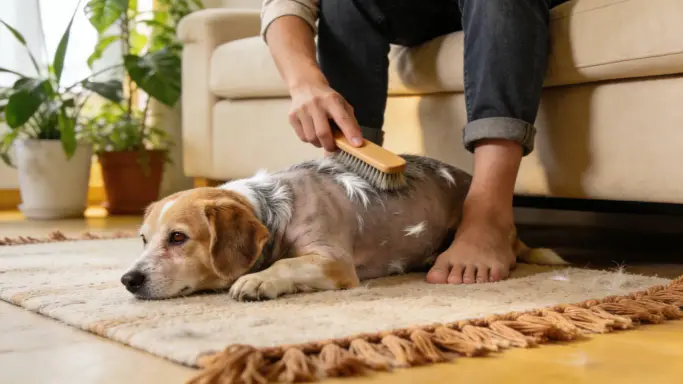
Scientific care not only needs to do a good job in “bonus items”, but also needs to avoid common misunderstandings and guard the bottom line of your dog’s health.
First of all, refuse “overfeeding”. Many owners are used to pleasing their dogs with snacks, but they do not know that excessive snacks can lead to dog obesity, diabetes, joint diseases and other problems. It is recommended that the daily intake of snacks should not exceed 10% of the total food intake, and priority should be given to additive-free special pet snacks.
Secondly, exercise should be “within one’s ability”. Avoid taking dogs out for a long time in high temperature or severe cold weather. Do a good warm-up before exercise (such as gently massaging the limbs), and let them rest in time after exercise. Do not let dogs drink a lot of water immediately after strenuous exercise to prevent gastrointestinal discomfort.
Finally, pay attention to “daily observation”. Observe your dog’s mental state, appetite and defecation every day. If there are abnormalities such as listlessness, loss of appetite, stiff walking and excessive panting, you need to suspend exercise and seek medical examination if necessary, so as to achieve early detection and early intervention.
Frequently Asked Questions (FAQ)
- Q: How long does a dog need to exercise every day? A: Adjust according to age/breed. Puppies: 10-15 minutes per session; Adult dogs: 30-60 minutes; Senior dogs: 20-30 minutes.
- Q: Can dogs drink water immediately after exercise? A: No. Let them rest for 5-10 minutes, then feed a small amount of warm water to avoid gastrointestinal discomfort.
- Q: How to avoid dogs getting injured during exercise? A: Warm up before exercise, choose a suitable venue, adjust intensity according to physical fitness, and avoid strenuous jumping.
- Q: Can I feed more snacks? A: No. Daily intake should not exceed 10% of the total food intake, and priority should be given to additive-free special pet snacks.
- Q: What kind of exercise is suitable for senior dogs? A: Focus on gentle slow walking, avoid strenuous exercise, and control the duration to 20-30 minutes.